Atmospheric change
across timescales
Understanding how the atmosphere has changed over centuries to millennia provides context for the rapid changes occurring today. I use ice cores alongside atmospheric observations and models to interpret past environmental conditions, atmospheric chemistry, and climate variability.
North Pacific aerosol archives
Ice cores from Begguya (Denali National Park) and the Eclipse Icefield (St. Elias Mountains, Yukon) reveal how climate, wildfire, and industrial emissions have shaped the composition and chemistry of the North Pacific atmosphere over the past millennium.
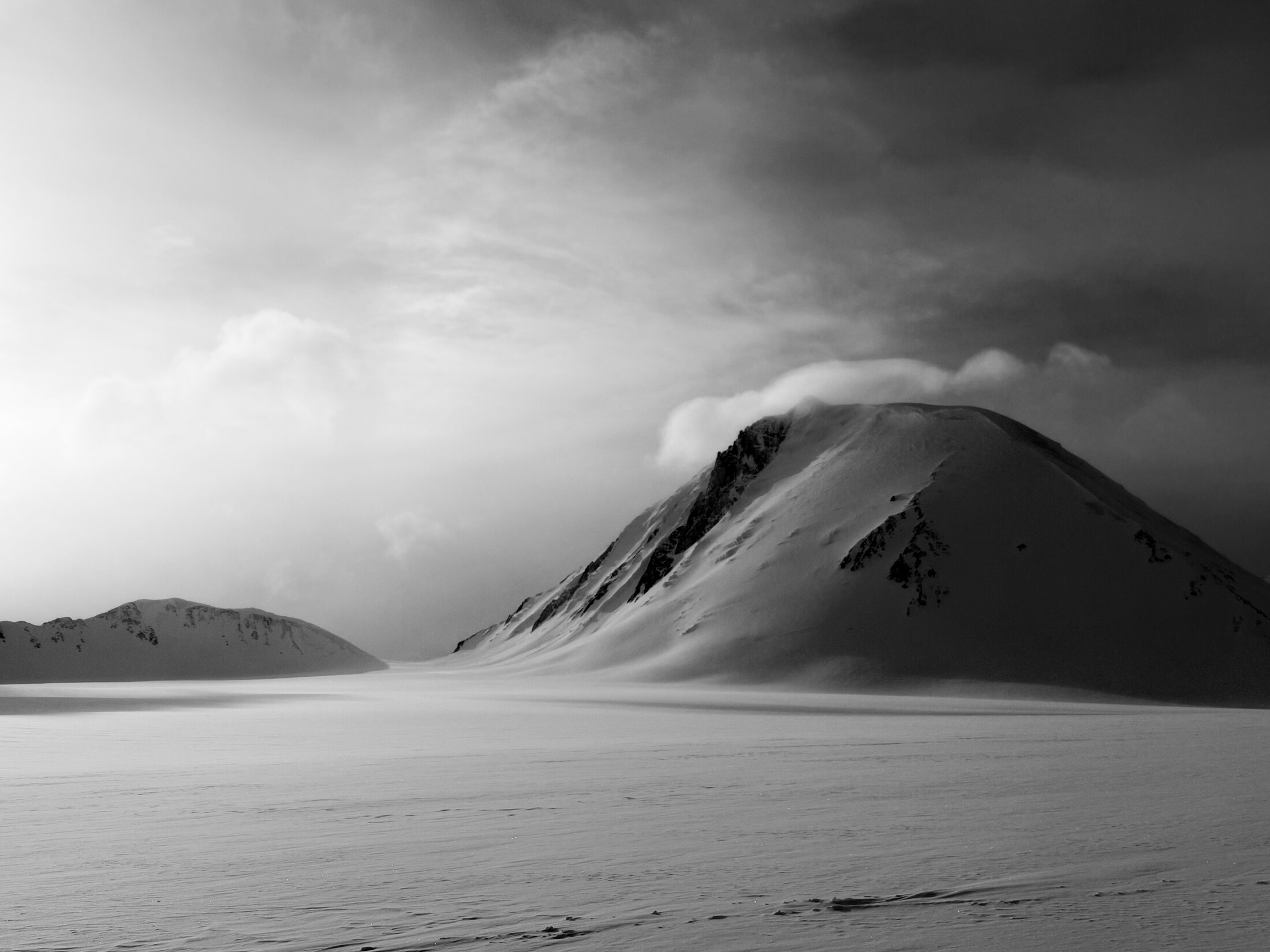
Siberian wildfire
Reconstructing 1,200 years of southeastern Siberian fire and the seasonal climate dynamics that control burning.
Read more here →Marine sulfur cycle
Separating biological change from pollution-driven shifts in atmospheric oxidation and methanesulfonic acid (MSA).
Read more here →Anthropogenic pollution
Tracing industrial emissions (Pb, nitrate, PFAS) that reach the remote North Pacific atmosphere.
Read more here →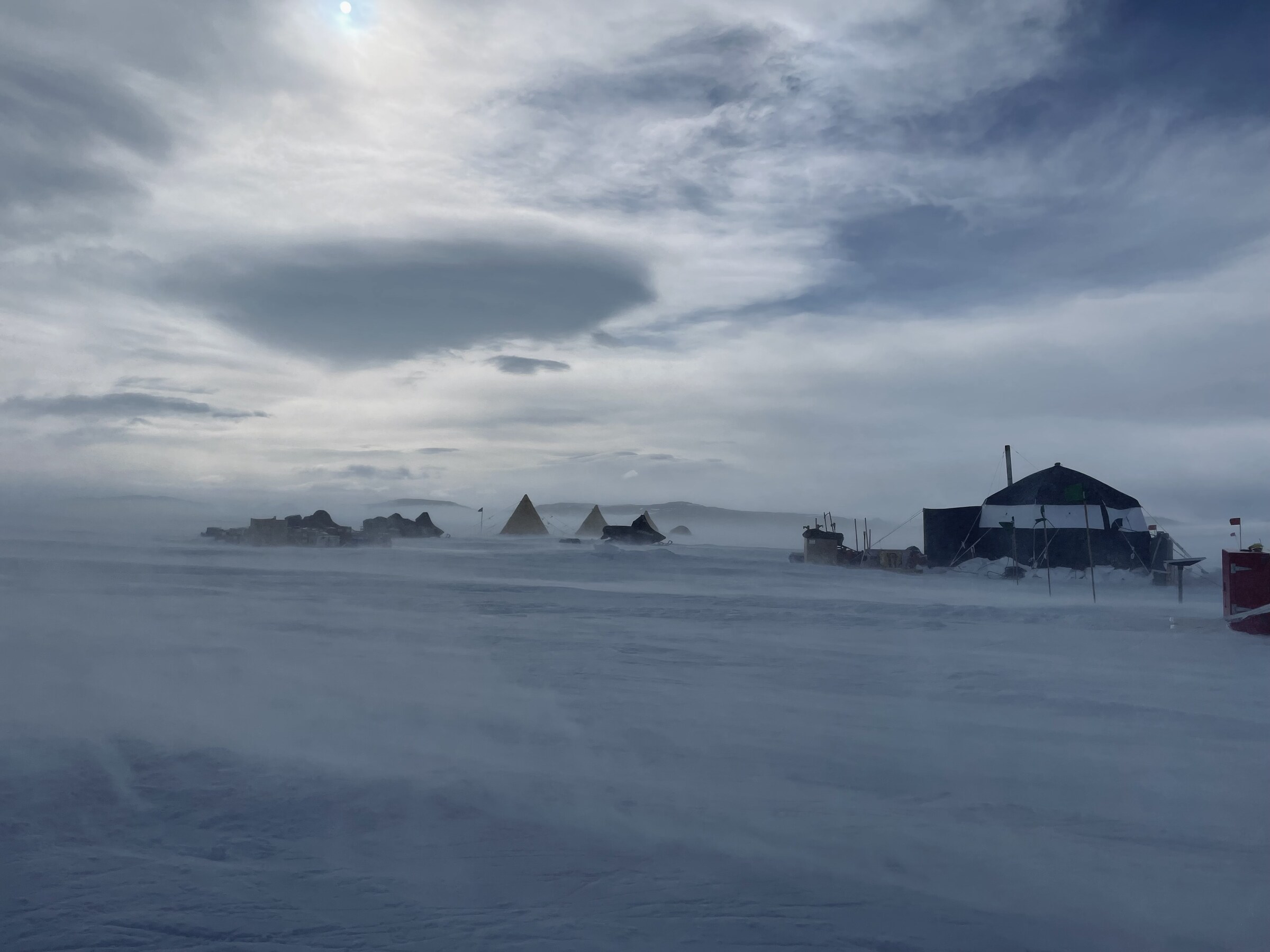
Earth’s oldest ice
The NSF Center for Oldest Ice Exploration (COLDEX) is building a climate archive that reaches back millions of years before the 800,000-year continuous Antarctic ice core record.
Geochemistry at blue ice areas
Performing a variety of chemical measurements to evaluate how blue ice areas archive climate information.
Read more here →Fine-scale layering in oldest ice
Resolving cm-scale stratigraphy to understand how folding and basal processes alter climate signals in ancient ice.
Read more here →U.S. climate variability
Long observational and reanalysis records shed light on how shifts in atmospheric circulation shape regional weather extremes and variability.
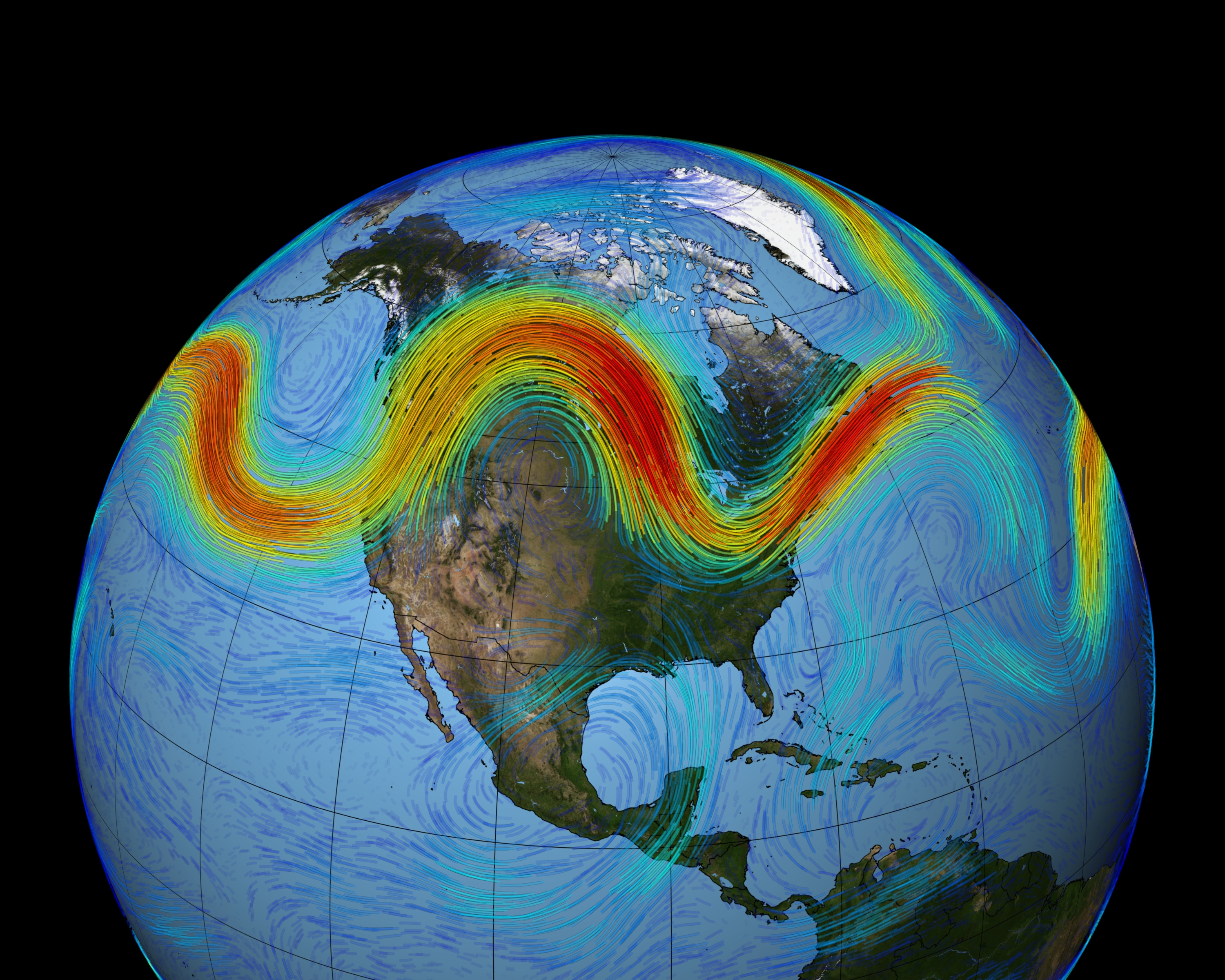
Jet stream waviness
Reconstructing changes in polar jet stream waviness to understand how jet stream variability enhanced the U.S. winter “warming hole.”
Read more here →Northeastern temperature extremes
Understanding how winter cold snaps and summer heat waves are changing across the northeastern United States.
Read more here →