Developing a new high-resolution ice-core record of North Pacific aerosol transport
Location
What we did
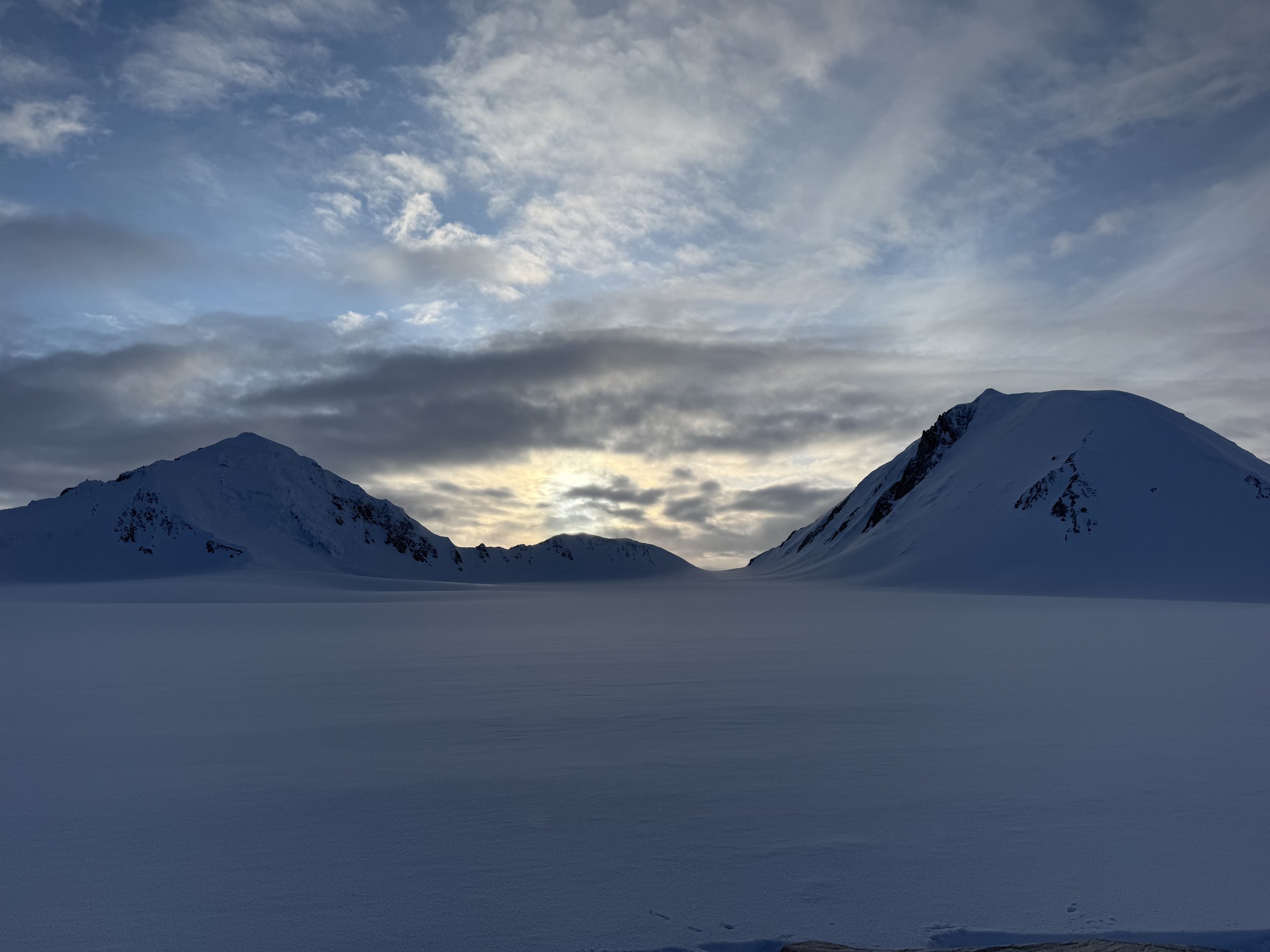
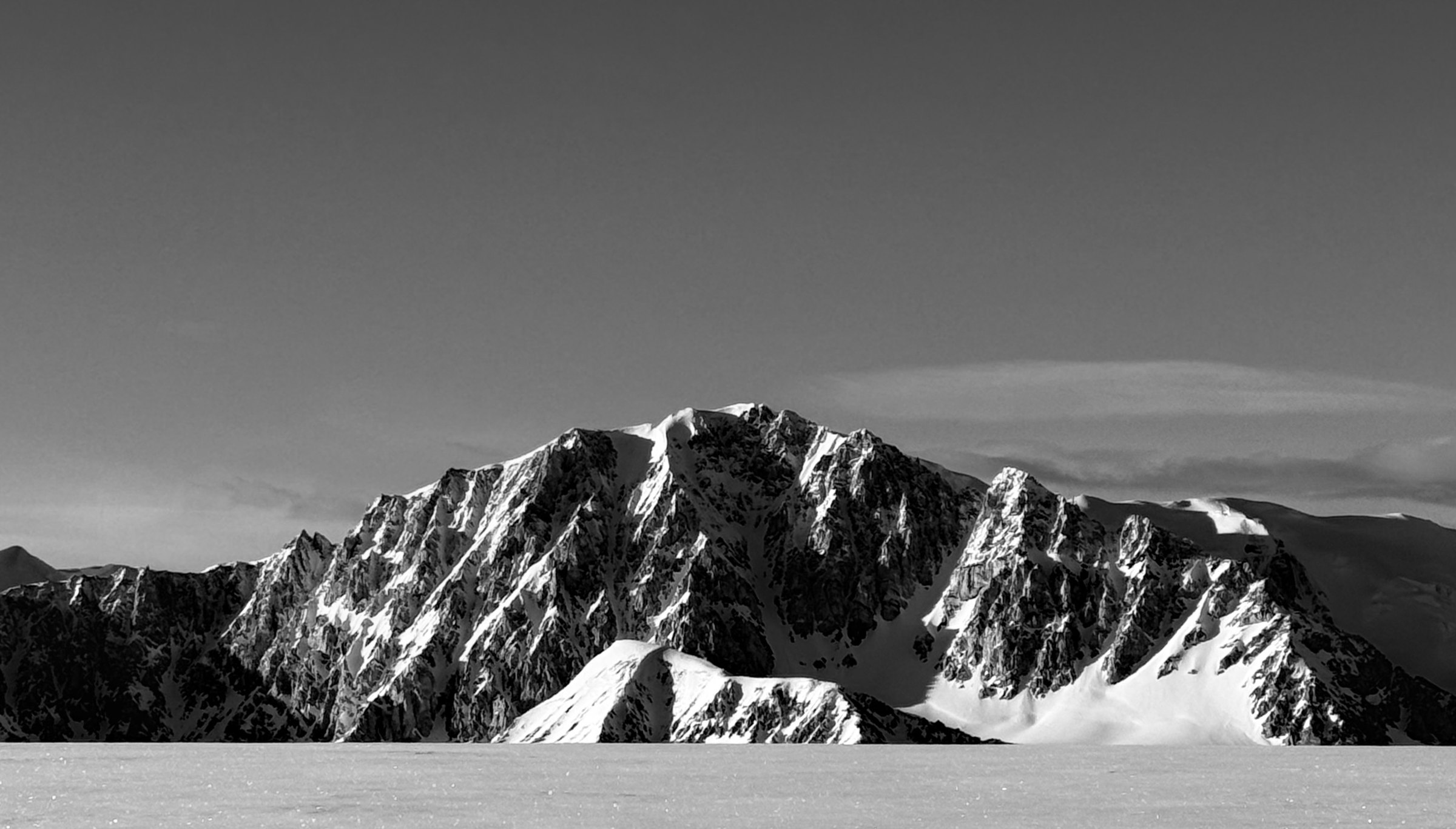
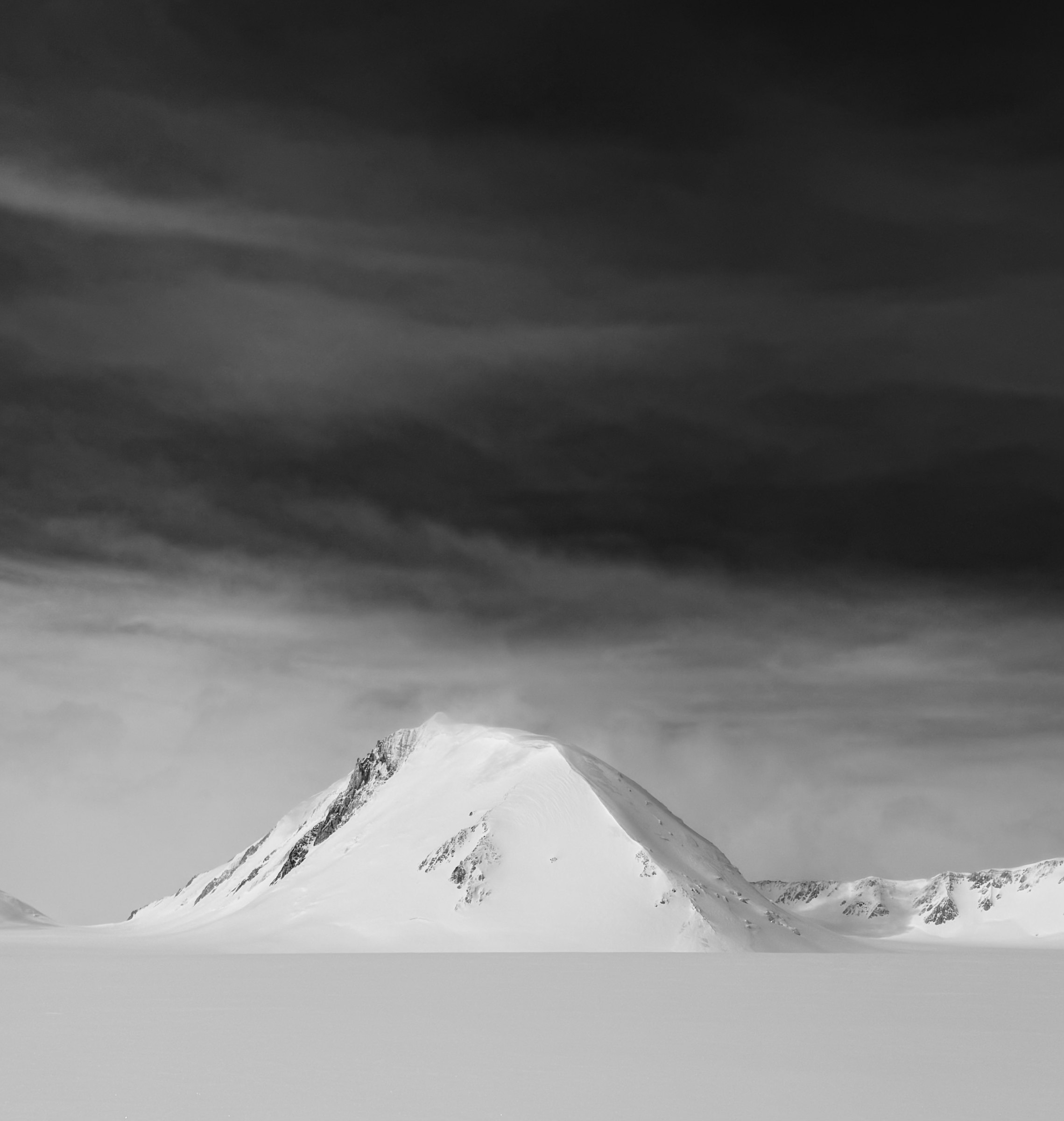
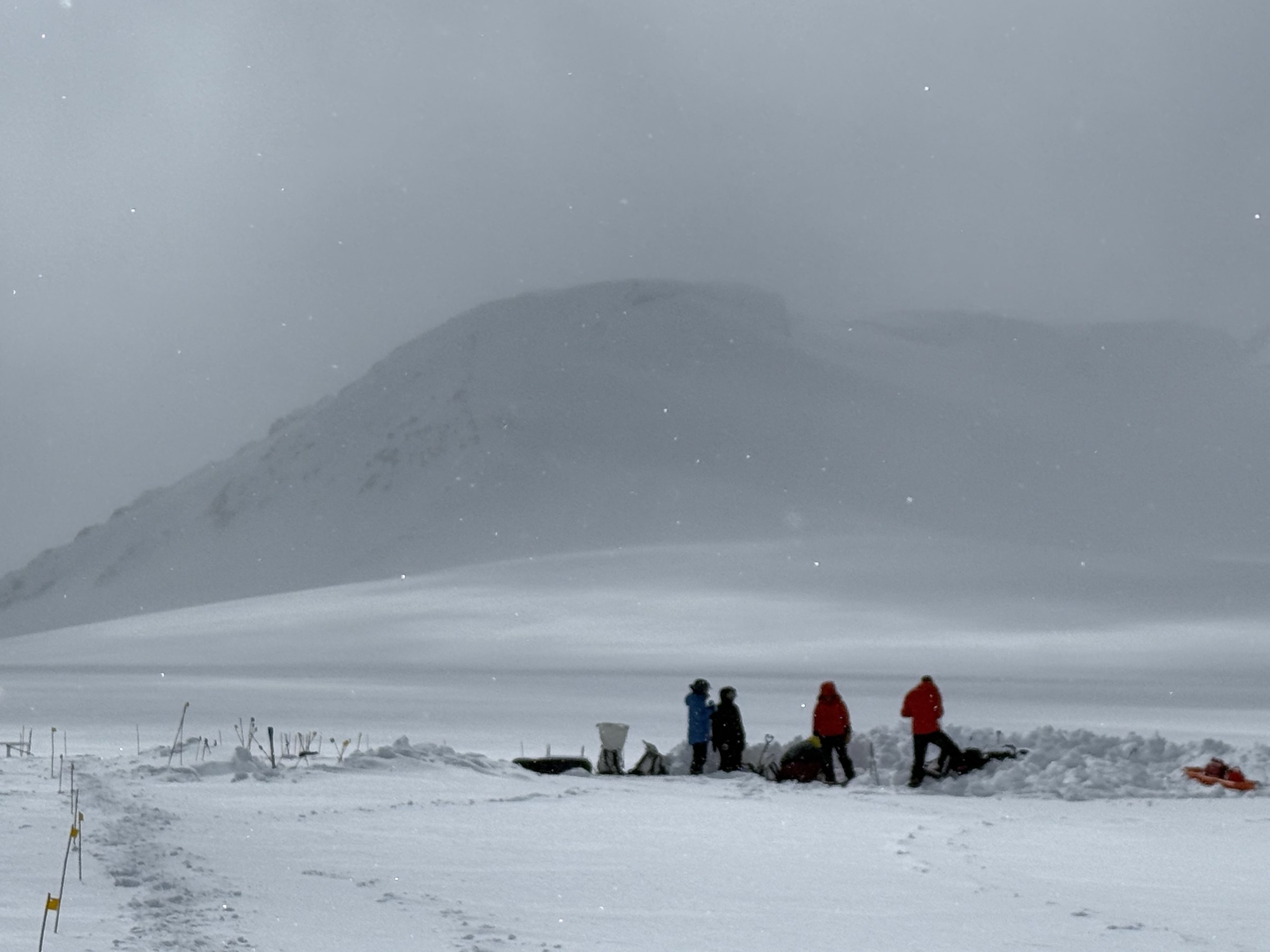
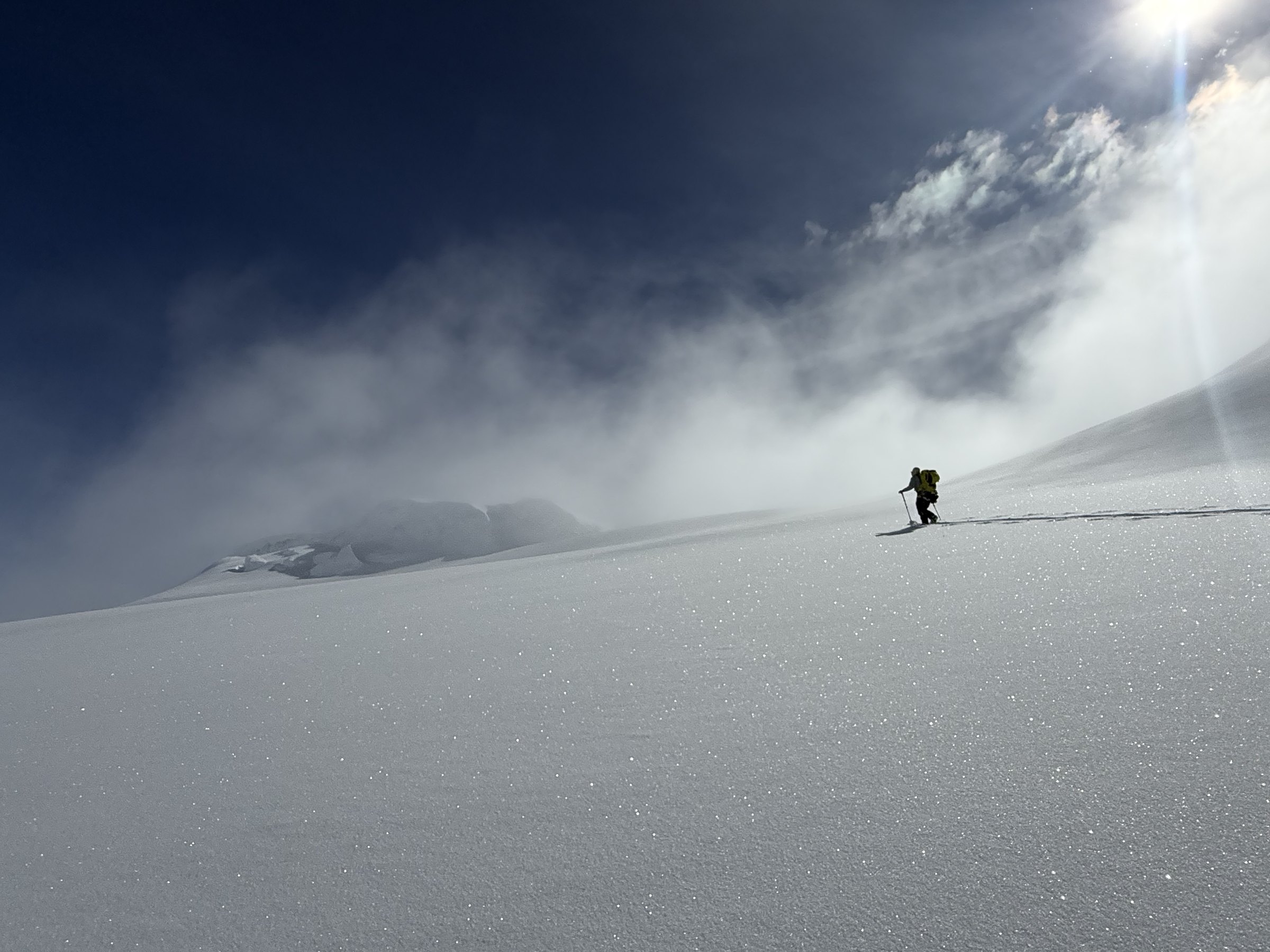
We recovered four shallow firn cores (up to 20 m deep) and snowpit samples that preserve a high-resolution record of atmospheric deposition. These samples will be analyzed for a wide range of natural and human-made aerosols—including dust, wildfire soot, industrial pollution, marine aerosols, and emerging contaminants such as PFAS ("forever chemicals")—to better understand how the atmosphere over the North Pacific has changed in recent years. At the same time, other members of the team mapped the glacier's internal structure and ice flow using multiple radar systems, providing critical context for interpreting the ice-core records.
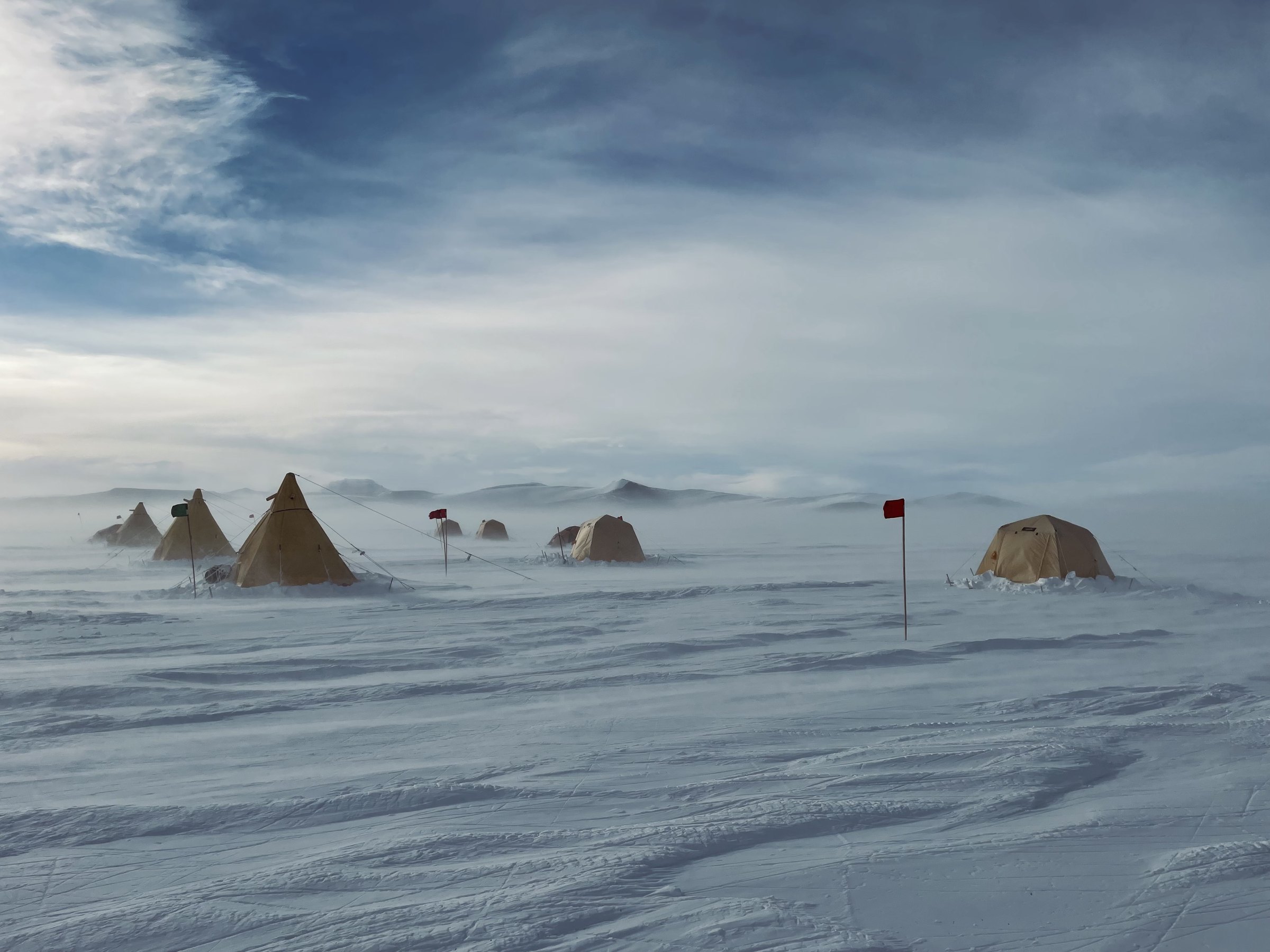
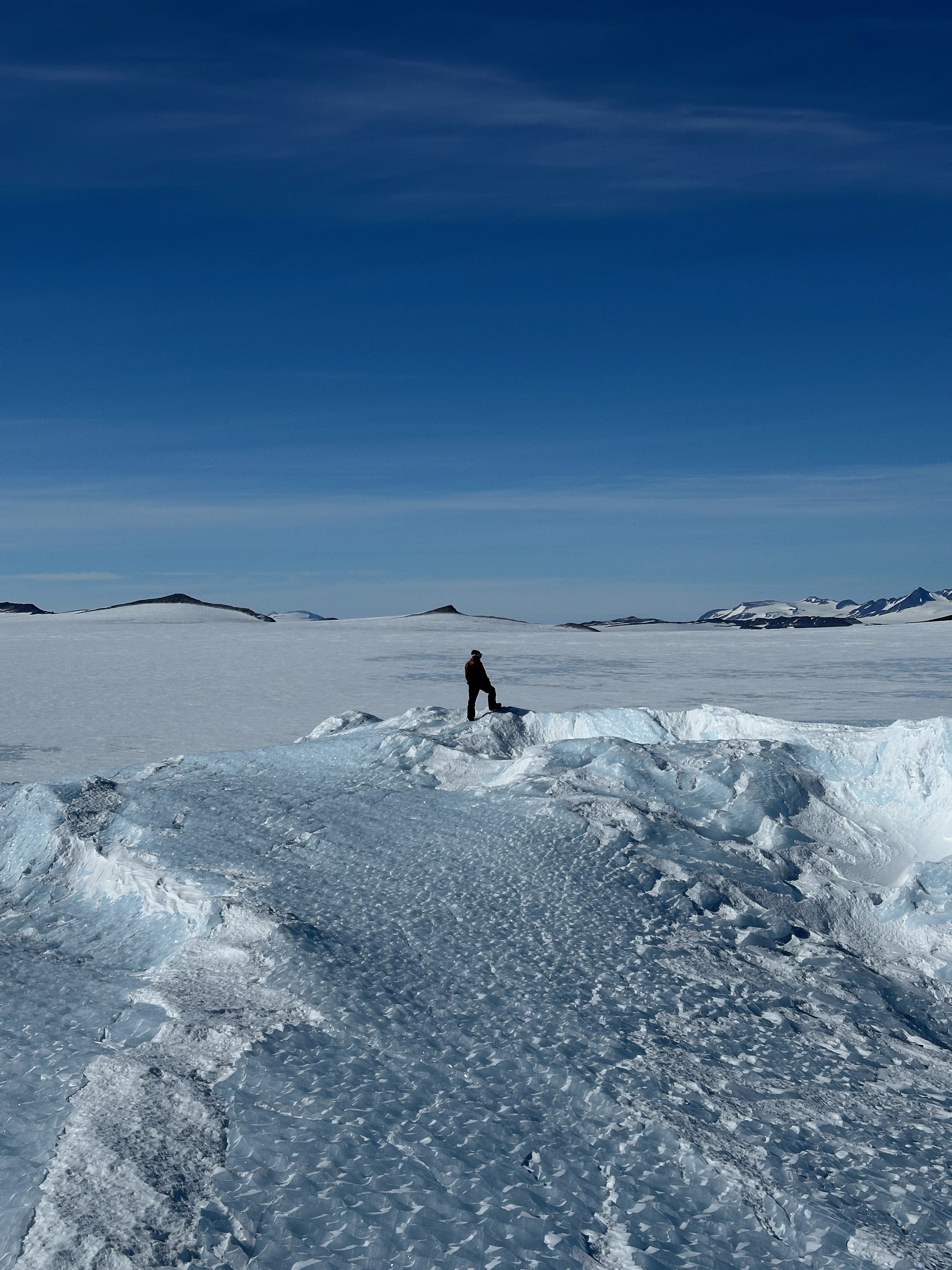
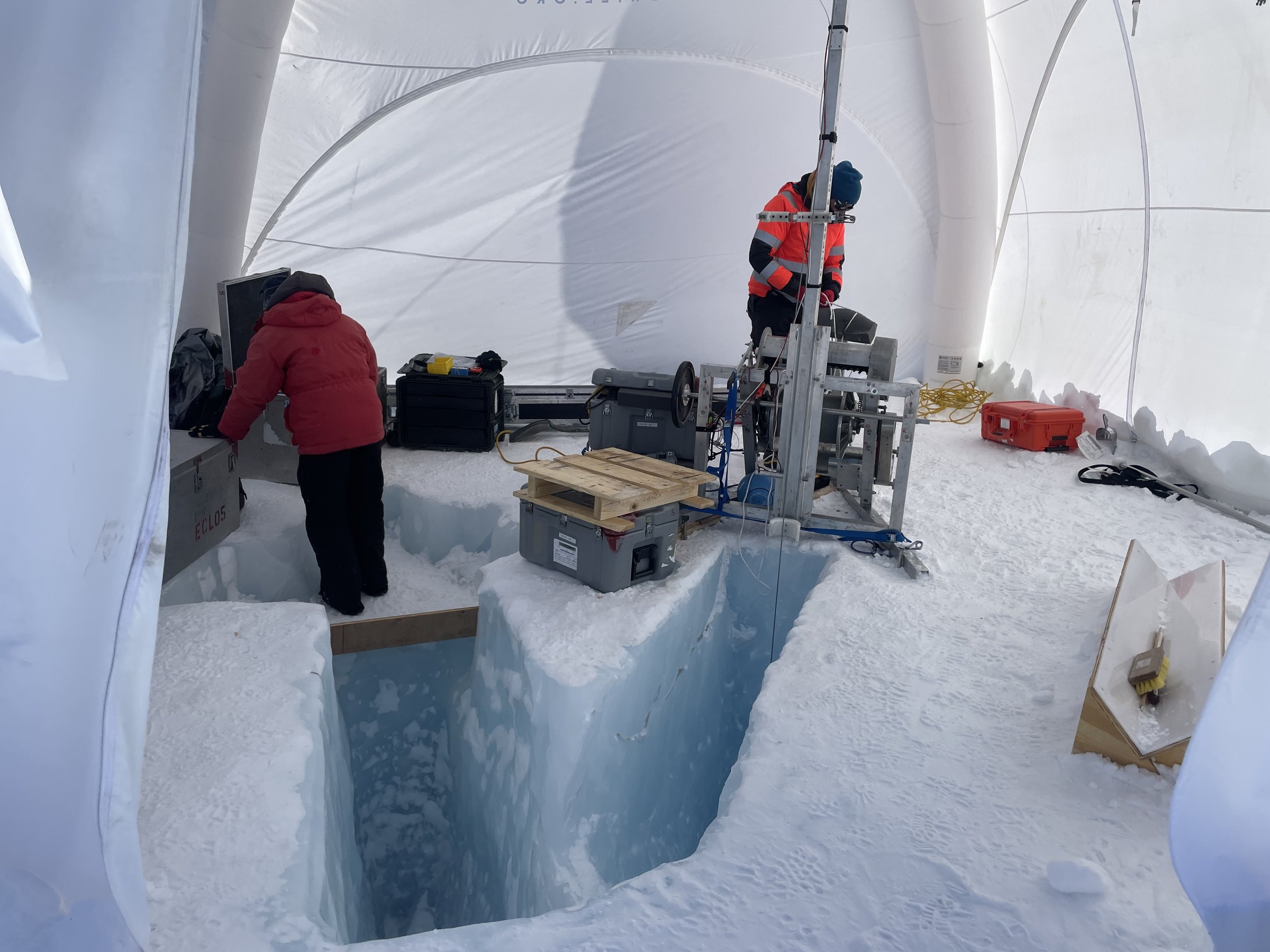
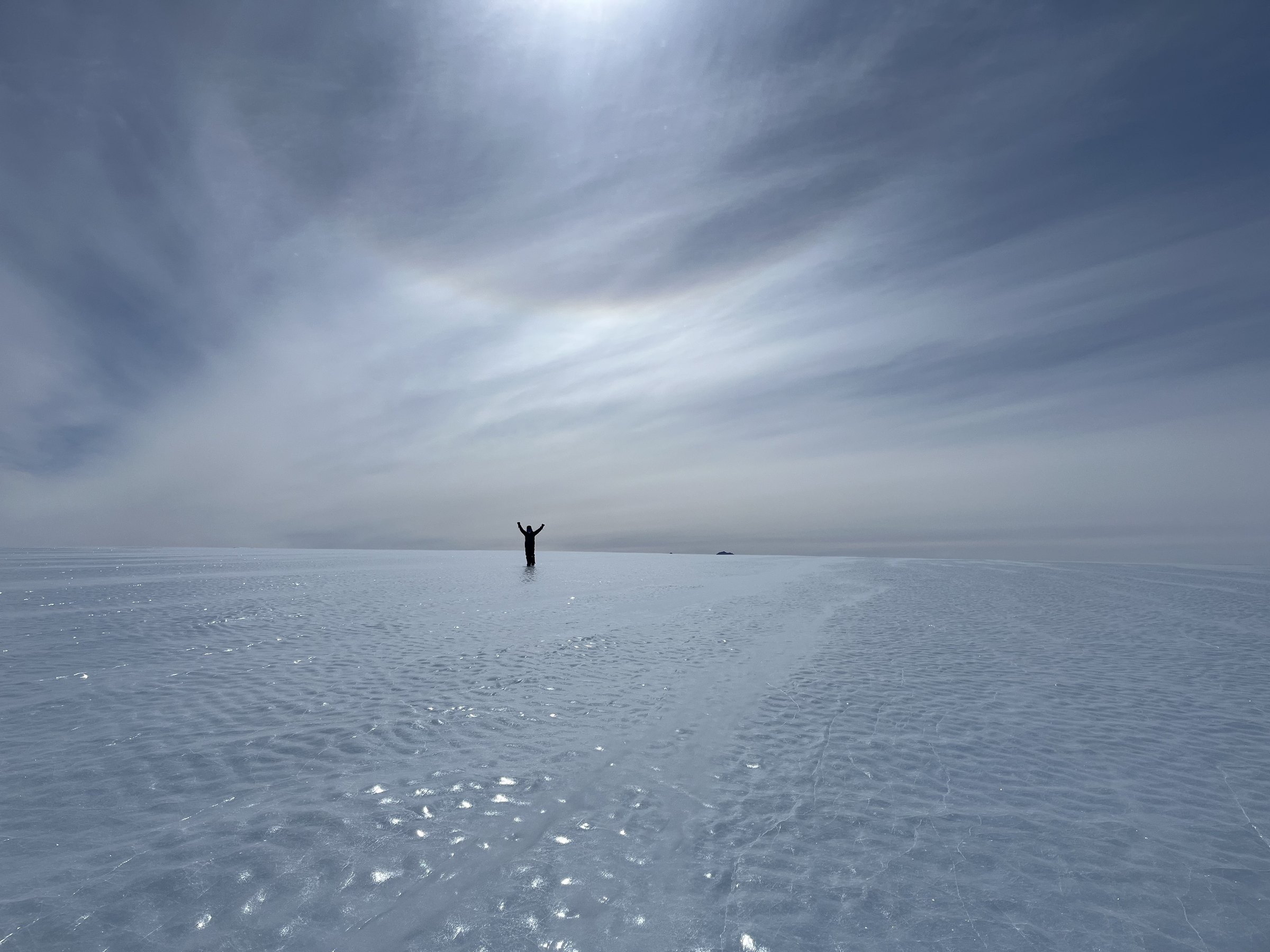
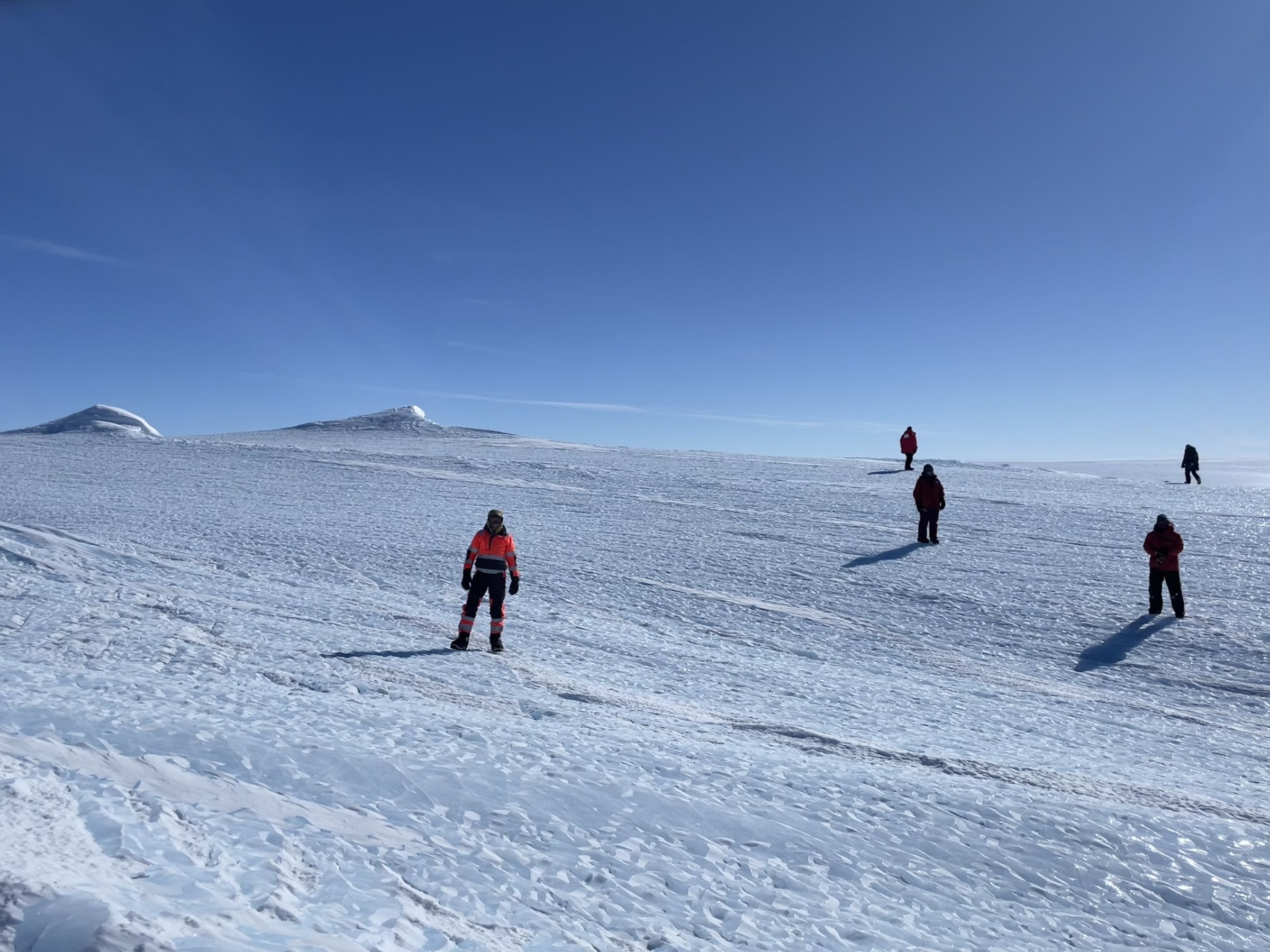
We drilled ancient ice from the Allan Hills blue ice area in Antarctica, where the movement of the ice sheet naturally exposes some of Earth's oldest ice at the surface. We used three drill systems — the blue ice, eclipse, and sidewinder drills — to recover over 10,000 lbs of ice. The samples we collected will be analyzed for atmospheric gases, water isotopes, aerosols, and other climate tracers to reconstruct past environments and better understand how Earth's climate has changed over millions of years. Our team also conducted radar and GPS surveys to map the internal structure and motion of the ice, helping answer why such old ice is here and guiding the search for even older ice.